Dynamic and Static Fatigue Testing System


Request a Quote
FTM
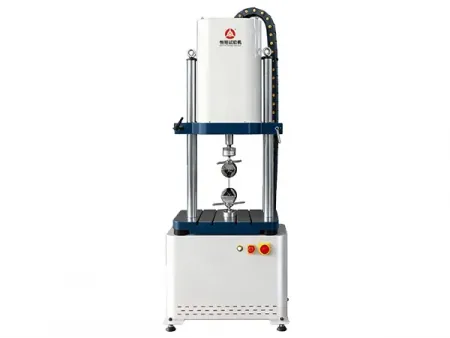
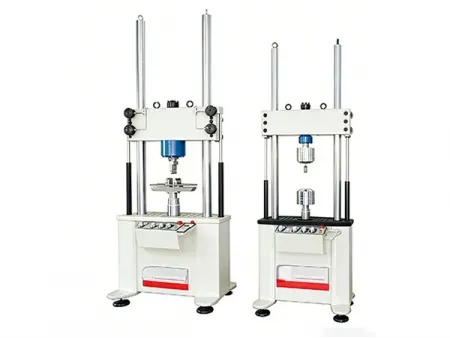
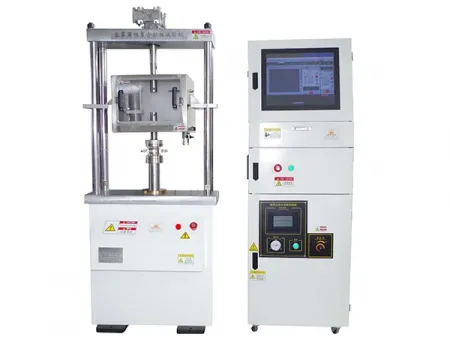
DTM series electric fatigue testing machine uses an adaptive zero-backlash electric servo actuator, providing fast frequency response, low operating noise, and energy-efficient performance. Compared with hydraulic systems, the electric servo design is especially suitable for small-part testing where clean operation, precise control, and low noise are required.
Applications
Electric fatigue testing machine is designed for dynamic and static mechanical testing of materials and small components. It is suitable for fatigue research, product validation, and component reliability testing in laboratories, research institutes, and manufacturing facilities. It supports:
- High-cycle and low-cycle fatigue testing
- Program-controlled fatigue testing
- Constant-rate static testing
- Constant-strain testing
- Constant-stress testing
- Standard mechanical performance testing
- Fracture mechanics testing
- Fatigue life evaluation
- Crack growth analysis
- Fracture toughness testing
- Safety assessment of actual components
- Service-condition simulation
Technical Specifications
| Model | |||||
| Max. static test force | ±5kN | ±10kN | ±20kN | ±50kN | ±100kN |
| Actuator stroke displacement | indication accuracy ±1%, accuracy range 2%–100%FS | ||||
| Max. dynamic test force | ±5kN | ±10kN | ±20kN | ±50kN | ±100kN |
| Dynamic force fluctuation | 0.5%FS. | ||||
| Actuator stroke displacement | ±50mm, indication accuracy ±0.5%FS | ||||
| Frequency | 0.01-20Hz | ||||
| Waveform | Sine wave, Triangle wave,Square wave | ||||
| Controller | Fully digital servo control system | ||||
| Control modes | Force control and frequency control | ||||
| Load frame and fixtures | Designed for dynamic and static fatigue loading tests on specimens; maximum load capacity: 200 N | ||||
Standards
- GB/T 2611-2007
General Requirements for Testing Machines - GB/T 16825.1-2008
Verification of Static Uniaxial Testing Machines — Part 1: Tension/Compression Testing Machines — Verification and Calibration of the Force-Measuring System - JB/T 9397-2002
Technical Requirements for Tension-Compression Fatigue Testing Machines - GB/T 3075
Metallic Materials — Fatigue Testing — Axial-Force-Controlled Method - GB/T 6398
Metallic Materials — Fatigue Crack Growth Rate Test Method - GB/T 4337 Metallic Materials — Rotating Bar Bending Fatigue Testing Method
- ASTM E468
Standard Practice for Presentation of Constant Amplitude Fatigue Test Results for Metallic Materials