EPS Pelletizing Line

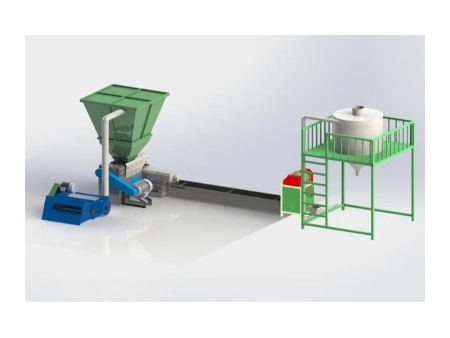
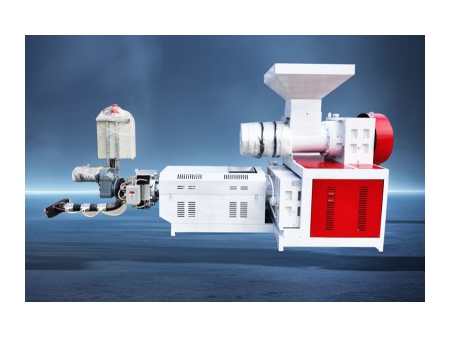
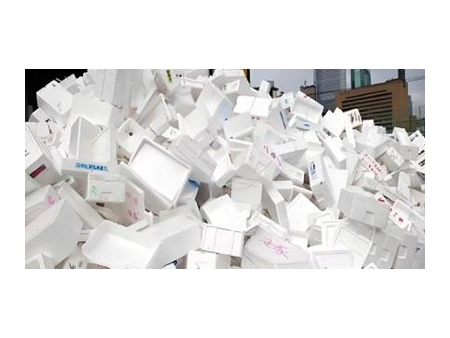

The EPS pelletizing line is used for recycling waste EPS materials such as foam boxes, foam boards, and protective foam packaging. With a capacity range from 150 kg/h to 500 kg/h, it can support recycling operations of different sizes. During operation, waste EPS is first broken down by a foam crusher. The material then enters the pelletizing unit, where it is heated, melted, plasticized, filtered, strand-extruded, and cut into pellets. The recycled EPS pellets usually come out clear and can be reused as feedstock for further production. The pellets can be reused to make new foam products or fed into injection molding and extrusion lines, helping cut material costs and reduce waste.
EPS foam is a type of PS material that is widely used due to its good thermal insulation, cushioning and impact resistance, aging resistance, and moisture resistance. Common applications include protective packaging for household appliances and precision equipment, as well as everyday products such as food containers, insulated boxes, and appliance packaging.
| Model | Power (kW) | Output Capacity (kg/h) |
| 18.5 | 100-150 | |
| 22 | 150-200 | |
| 30 | 200-300 | |
| 37 | 300-400 | |
| 45 | 400-500 |
- Crushing / Size Reduction: Waste EPS is fed into a foam crusher. The rotating screws break the material down into smaller pieces for easier processing.
- Melting and Extrusion: The crushed EPS moves into the pelletizing unit and is gradually melted. The melt then passes through the auxiliary die as continuous strands and flows into the cooling water tank.
- Cooling and Pellet Formation: In the cooling tank, the strands solidify and take shape. They are then fed into the pellet cutter, where they are cut into evenly sized recycled EPS pellets.
- A larger-diameter screw and barrel allow faster feeding and higher production capacity.
- The system uses a continuous screen-changing die head, so production can keep running without stopping the line while filters are replaced.
- A geared reducer helps lower energy consumption, keeps operation stable, and extends service life.
- Automatic temperature control keeps heating precise and material feeding even, making operation easier and more consistent.
- A high-precision filter effectively removes impurities. A self-cleaning filter can be added as an option to further improve pellet purity and quality.