Crane Runway Beam


Request a Quote
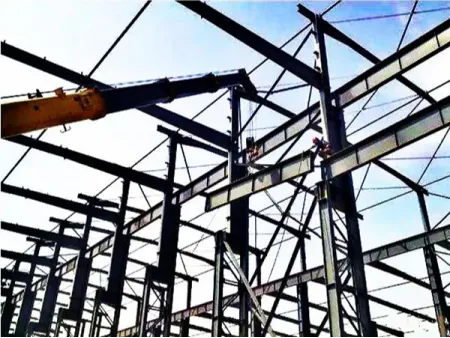
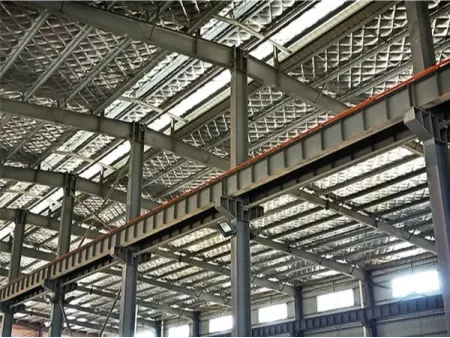
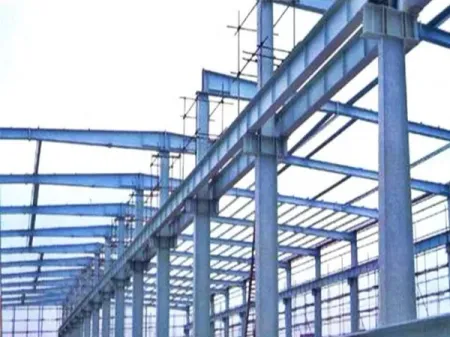
A crane runway beam is the primary horizontal structural component that supports overhead cranes within industrial buildings. It is formed by welding reinforcing steel plates onto an I-beam or built-up steel section, allowing it to safely carry lifting loads during crane operation. As the main load-bearing element for crane systems, the structural integrity of the runway beam is directly related to production continuity and personnel safety.
Crane runway beams are usually manufactured from welded steel plates and are designed as a controlled and reliable solution to transfer crane loads to the supporting columns.
Design and material requirements for crane runway beams
- Designed as a simpler supported structures, crane runway beams rest on columns at both ends rather than being rigidly fixed, that is easy to construct and less sensitive to foundation settlement. Common structural forms include rolled steel beams, built-up I-section beams, box girders, and crane truss systems.
- Material requirements for crane runway beams are relatively strict. In addition to standard mechanical properties such as tensile strength, elongation, and yield strength, the steel must also meet impact toughness requirements to ensure safe performance under dynamic and repetitive loading conditions.
Advantages of crane runway beams
- Specially designed for lifting loads Stiffening plates are installed along the web of the beam to withstand dynamic loads and impact forces generated during crane operation. This ensures stable structural performance even under frequent lifting cycles.
- Reliable structure with a high level of safety margin Crane runway beams are designed according to crane capacity, operating frequency, and working conditions. They meet bending resistance, fatigue performance, and impact toughness requirements, providing dependable structural support for workshop crane systems.
- Proven installation method and easy maintenance Crane runway beams are installed in segments between columns, with standardized rail installation. The inspection, maintenance, and future replacement are simpler, supporting long-term operational reliability.